




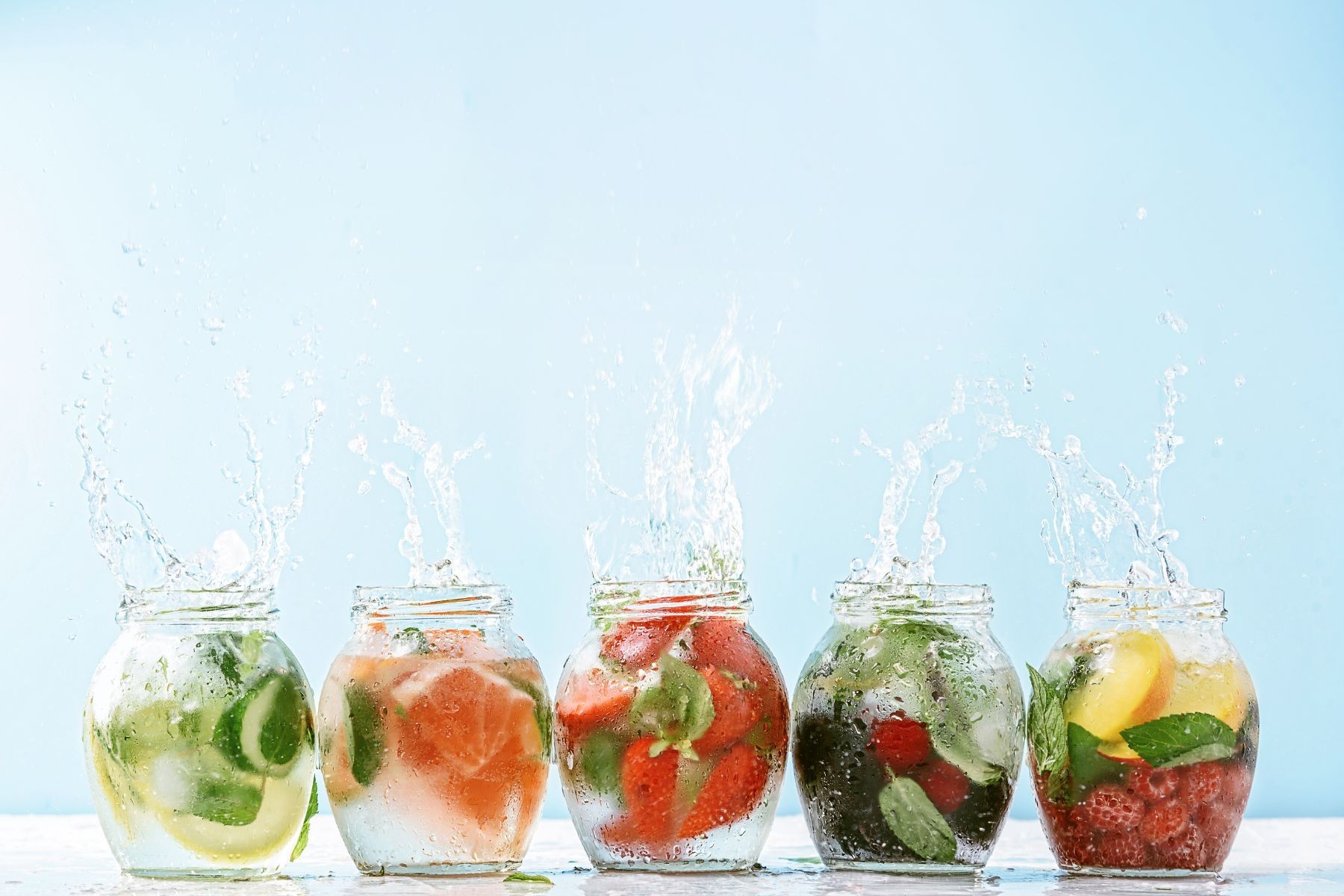
As the new year begins, many of us feel the urge to “detox” after the indulgence of the festive season. But what if the best cleanse isn’t about restriction, but about restoration instead?
This New Year, let’s redefine detoxing through the lens of self-care. Rather than cutting things out, Glo's resident Nutritional Therapist Sara Jubb has written about how to focus on adding more of what truly nourishes you so you feel grounded, energised and balanced as you step into 2026.
Rethink Detoxing: It’s not about deprivation
January often brings a wave of “New Year, New You” messages, but rigid diets, unrealistic resolutions and guilt-fuelled “detoxes” can end up making you feel worse, not better.
True wellbeing is about restoring your balance, not punishing yourself. Healthy eating, regular movement and gentle mindset shifts are genuine acts of self-care, which can become habits to help you stay healthy throughout the year.
Nourish Yourself: Healthy Eating Habits for 2026
Healthy eating isn’t just about carbs and calories; it’s an opportunity to give yourself a little self-care three times a day, so here are three simple healthy eating habits that can have a huge impact on your health
1. Eat more plants
Possibly the single most important thing we can do was summed up by writer Michael Pollan as “Eat food. Not too much. Mostly plants.”
Most of us would benefit from eating more vegetables, fruits, nuts, seeds and pulses and fewer ultra-processed foods and refined sugars. Plant foods are packed with phytochemicals and fibre that support your gut microbiome, strengthen your immune system, improve your mood and your skin, reduce inflammation and support heart health and digestion.
Aim for:
- Five different colours of plants a day
- At least one root veg every day
- One prebiotic food daily (like leeks, onions, garlic or oats)
- Beans or pulses at least three times a week
- Around 30 different plant foods each week
2. Eat with the seasons
Seasonal eating helps you stay in tune with your environment, supports your local economy, and usually tastes better too.
In season in the UK this winter are:
- January–February: Apples, beetroot, Brussels sprouts, leeks, kale, cabbage, celeriac, swede, parsnips, pears
- March: Early spinach, peppers and purple sprouting broccoli
Try building meals around these seasonal heroes with delicious roasted root vegetable soups, winter salads or hearty bean stews.
3. Be sugar-aware
After a few weeks of celebration, your body might be asking for a bit of balance. Too much sugar from puddings, alcohol and refined carbs can cause energy crashes and increased inflammation that will leave us feeling a bit rubbish.
Artificial sweeteners aren’t the answer either. They can confuse your body’s hunger signals and stress your liver.
Try gently cutting down on how much sugar you consume. Here are some simple steps to get you started:
- Read the labels. Avoid hidden sugars (anything ending in –ose).
- Cut down gradually. Try one tweak a week, for example:
- Stop adding sugar to tea or cereal
- Swap white bread and pasta for wholegrain
- Replace desserts with fruit or dark chocolate
- Reduce takeaways by half
- Balance your blood sugar by
- Eating protein and healthy fats with every meal
- Eating vegetables before carbs
- Moving your body after eating
Redefine Your Relationship with Food
Let’s drop the “good” and “bad” food labels and try to reconnect with food in a healthy way that’s rooted in nourishment and connection with others.
A healthy relationship with food means making the choices that make you feel good, most of the time, without being too rigid about it. It means enjoying a wide variety of foods and being at ease around food, rather than eating in secret or with guilt. It also means recognising that one indulgence doesn’t derail you and you can get back to healthy eating at the next meal.
Rather than relying on (very unreliable) willpower, here are some practical steps to help you start trusting in your innate wisdom around food.
- Notice your hunger. Is it physical (gradual, satisfied when full) or emotional (sudden, craving-driven, followed by guilt)?
- Only eat foods you love. You’ll absorb more nutrients and feel more satisfied when you enjoy your meals.
- Learn to love cooking from scratch. Home cooking helps you reconnect with food, saves you money and can even improve your mental health. Try batch cooking some of your favourite meals so you’re not tempted to fall back on takeaways when you’re tired.
Set goals and create habits, not resolutions
Traditional resolutions often come from a place of “should” and by February, most of them have been abandoned. However, if you set goals that are aligned with your values, it’s a lot easier to make changes that feel meaningful and motivating, and you are more likely to stick to them.
Ask yourself:
- What does “wellbeing” look like in my life?
- What really matters to me this year?
- How do I want to feel, not just what do I want to achieve?
A great technique used in life coaching is to write a short letter to your future self, congratulating you for achieving your goal. Describe how you feel, what’s changed and why it mattered. This simple act helps your brain’s Reticular Activating System (RAS) filter for evidence that supports your success.
Motivation is great at getting you started, but it’s habits that keep you going. Choose one simple wellbeing habit you can commit to daily, something so easy you can’t fail. For example:
- Ten minutes of stretching each morning
- Adding an extra portion of vegetables to every meal
- Drinking a glass of water before your coffee in the morning
Commit to sticking to it for three weeks. Then review what’s working and what’s not and adjust without judgment. Set goals that you can achieve and habits that you can stick to. It’s all about progress, not perfection.
Your mindful reset for 2026
This is not a detox from food. It’s a detox from pressure, perfectionism and old patterns, creating space for greater self-acceptance and a more intentional, nourishing 2026.