





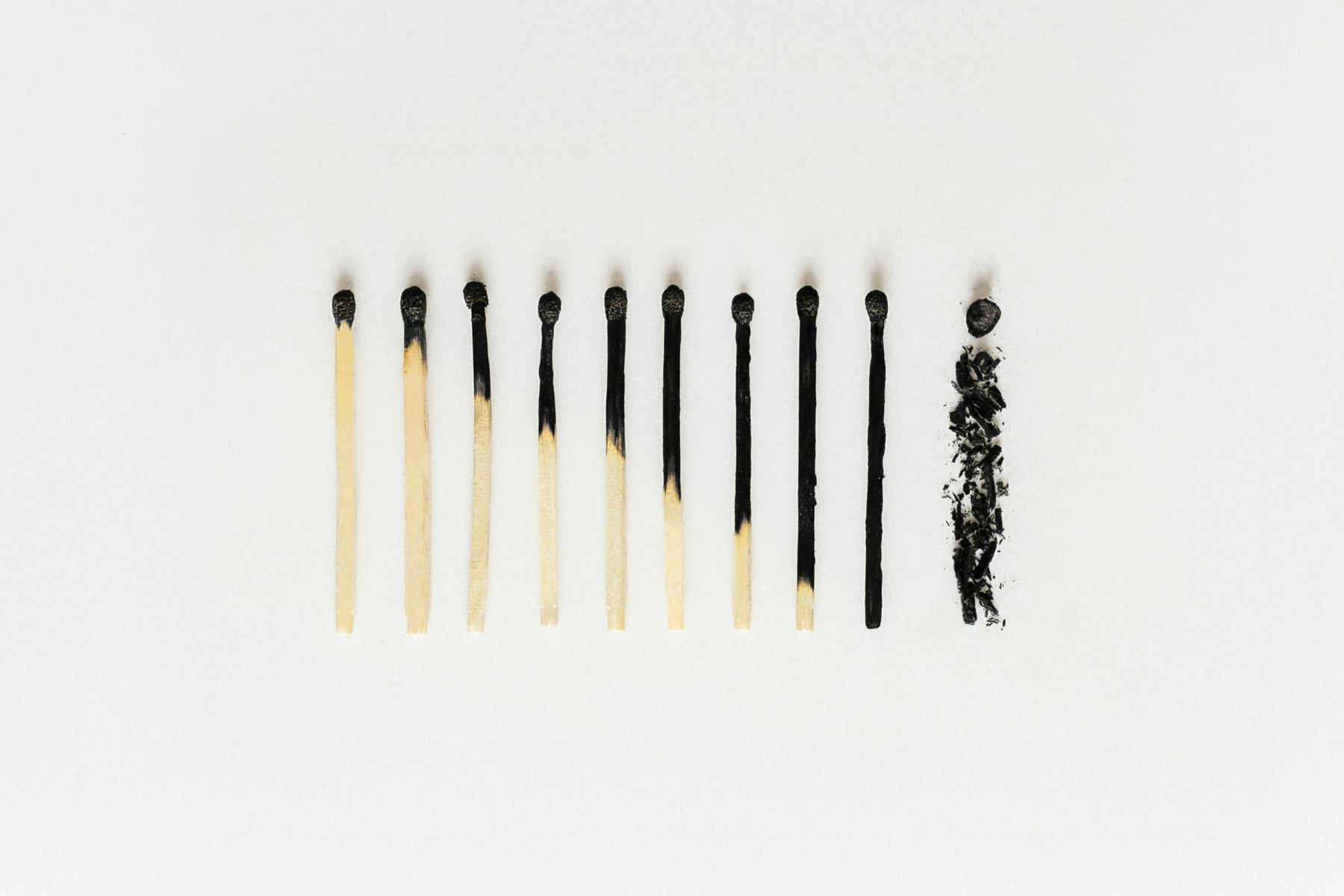
Burnout at work has become one of the most common challenges in modern working life, yet it’s often misunderstood. Many assume burnout is simply caused by doing too much, but in reality, it’s usually the result of a deeper imbalance - between what we give and what we need to sustain our energy and wellbeing.
In fast-paced, high-performance environments, people often push through low energy, ignore early warning signs, and disconnect from what really matters - until it starts to take a toll.
The good news? Burnout is preventable. With the right awareness and practical strategies, you can protect your energy, stay aligned with your values, and build a more sustainable way of working.
This approach is reflected in our workplace wellbeing programmes, with course outlines developed by our resident Nutritional Therapist, Sara Jubb, who focuses on the connection between energy, nutrition, and sustainable performance at work.
What Causes Burnout at Work?
Burnout doesn’t happen overnight. It builds gradually - until focus drops, motivation disappears, and even simple tasks feel overwhelming.
While workload plays a role, burnout is typically driven by two key factors:
- Physical depletion (low energy, poor recovery, lack of fuel)
- Internal misalignment (working in ways that don’t align with your values or needs)
To effectively prevent burnout, both need to be addressed.
1. Protect Your Energy: Prevent Burnout from the Inside Out
Before burnout shows up emotionally, it often starts physically.
When your body is depleted, your ability to cope with stress drops significantly. Common early signs of burnout include:
- Difficulty concentrating
- Increased irritability
- Low motivation
- Poor sleep and constant fatigue
This isn’t a mindset issue - it’s biology.
Why Energy Management Is Key to Avoiding Burnout
Your brain and body rely on consistent fuel. Without it, decision-making, emotional regulation, and resilience all suffer.
Chronic under-fuelling can:
- Disrupt energy levels
- Reduce cognitive performance
- Impact mood and stress tolerance
- Affect sleep quality
Simple Daily Habits to Maintain Energy
Avoiding burnout doesn’t require perfection - just consistency. Focus on:
- Eating regularly to avoid energy crashes
- Balanced meals with carbohydrates, protein, and fats
- Planning around energy dips during the day
- Prioritising rest and recovery
As highlighted in Sara Jubb’s course frameworks, supporting energy through nutrition is one of the most overlooked, but impactful, ways to prevent burnout in the workplace.
Your energy is also influenced by:
- Sleep quality
- Movement
- Time to pause and reset
- Moments of enjoyment
Burnout prevention isn’t about doing more - it’s about supporting yourself better.
2. Address the Root Cause: Alignment and Burnout
Even with good habits, burnout can still occur. That’s because it’s not just about what you do - but how and why you’re doing it.
Many people experiencing burnout are high performers - driven, reliable, and committed. But often, there are deeper patterns underneath.
Burnout Isn’t Just Overwork - It’s Misalignment
Burnout often comes from doing too much of what doesn’t align with your values, strengths, or needs.
Over time, this creates internal friction that leads to exhaustion.
Signs of Burnout and Misalignment
- Feeling drained regardless of workload
- Saying yes when you want to say no
- Linking self-worth to productivity
- Struggling to switch off
- Feeling disconnected from yourself outside of work
The Hidden Role of Overperformance
Burnout is often linked to identity:
- The high achiever
- The reliable one
- The person who never says no
While these traits can drive success, they can also lead to:
- Perfectionism
- Overcommitment
- Chronic stress
How to Realign and Prevent Burnout
Start by asking:
- What are my core values?
- When do I feel at my best?
- What am I prioritising, and why?
Small shifts in alignment can create significant changes in energy and wellbeing.
3. Set Boundaries to Prevent Burnout
Boundaries are essential for protecting your energy at work.
They’re not about pushing people away - they’re about sustainability.
Start with:
- Pausing before saying yes
- Accepting that you can’t do everything
- Letting go of people-pleasing
- Recognising your needs matter too
Healthy boundaries reduce stress, improve focus, and help prevent long-term burnout.
How to Prevent Burnout Long-Term
Burnout prevention isn’t a one-time fix - it’s an ongoing practice.
Focus on:
- Supporting your physical energy
- Prioritising rest and recovery
- Aligning your work with your values
- Setting clear, sustainable boundaries
When these are in place, burnout has far less space to develop.
Final Thought
The goal isn’t to wait until burnout happens and then recover.
The goal is to recognise the early signs, make small adjustments, and support yourself consistently—so burnout never takes hold.
Because when you feel well, you don’t just perform better - you live better too.