





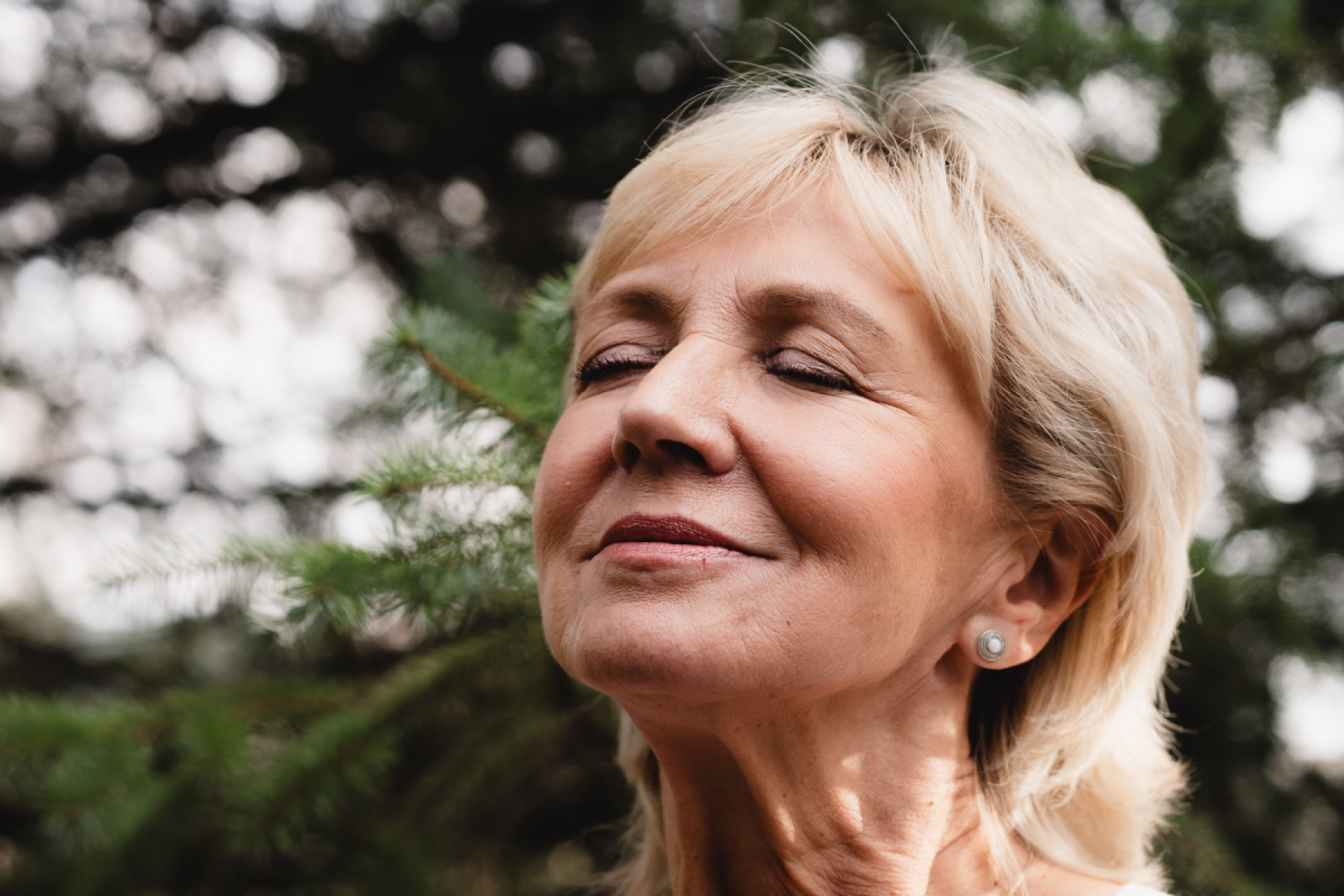
Menopause and Your Skin – Why it’s changing and what you can do about it.
Hormones have a lot to answer for, and when it comes to our skin, they are no exception! If you're going through the Menopause and have noticed your skin behaving differently lately, you’re definitely not alone or imagining it. As oestrogen levels fall during the menopause, unfortunately it can have some unwanted side effects on your skin. You may notice that your skin becomes drier, thinner, redder, more sensitive or may even be surprised to find breakouts reappearing for the first time since your teens!
With World Menopause Day taking place on 18 October, we understand how frustrating it can be when your skin changes – especially when you want to look and feel your best.
During menopause, clients often tell us that their trusted skin routine no longer works in the way that it used to, or they find that certain products they once loved no longer feels right for their skin. The good news? A few tweaks to your routine combined with the right ingredients can help make a real difference and give your skin what it wants and needs.
Firstly, let’s talk about the visible differences that can happen and the way menopause can change your skin.
Dryness and flakiness
Oestrogen helps your skin produce natural oils (sebum) and hold on to moisture. As oestrogen levels start to drop, skin can feel tight, dry and flaky, even if you've always had oily or combination skin. Using hydrating ingredients such as hyaluronic acid and ceramides can help to alleviate dryness, as hyaluronic acid draws moisture into the skin, while ceramides help lock it in.
Thinning, fine lines and sagging
Our skin loses around 30% of its collagen in the first five years of menopause. Collagen helps to keep our skin firm and plump, so loss of collagen in the skin can lead to fine lines and wrinkles appearing as well as a loss of firmness. To help combat this, using supportive ingredients such as peptides which help reduce the visible signs of ageing, plus a low-strength retinol if your skin can tolerate it, can help to support collagen production in the skin.
Redness and sensitivity
Menopause can weaken the skin barrier, making skin more reactive. Products you've used happily for years may suddenly sting, and conditions like rosacea can flare up. Using barrier-strengthening ingredients like ceramides and niacinamide, and soothing ingredients such oat extract can help to reduce skin redness and sensitivity during the menopause.
Adult acne
If you're wondering where those breakouts have come from, you're not alone! Shifting hormones can trigger spots in adulthood, and it's far more common than you might think. Using ingredients such as salicylic acid to help unclog pores, and niacinamide or azelaic acid to calm inflammation can help with adult acne. It’s important to use gentle ingredients on the skin as harsh, drying acne treatments can actually make menopausal skin worse.
If you’re unsure where to start when it comes to helping your skin during this time, here are our top three skincare tips for menopausal skin:
- Think gentle and hydrating - Swap your foam or gel based cleanser for a creamy or balm based cleanser, choose a richer moisturiser, and add a hydrating serum like hyaluronic acid for deeper hydration and moisture.
- Wear SPF every day - Use a minimum of SPF 30, whatever the weather. It protects your skin, helps prevent sunspots and slows further signs of ageing.
- Use active ingredients sparingly - Menopausal skin can be more sensitive, so less is more. Start with gentle peptides or a low-strength retinol, introduce one new product at a time, and build up your skin routine slowly, to help understand what’s working well for your skin.
As skin therapists, we receive lots of frequently asked questions when it comes to menopausal skin, here’s the answers you really want to know to all your questions!
If I'm getting spots, my skin must be oily, so should avoid a moisturiser?
Menopausal acne often happens alongside dryness. Skipping moisturiser can weaken your barrier and actually make breakouts worse. Choose a lightweight, non-pore clogging moisturiser instead.
Why is my skin suddenly reacting to products I've used for years?
As your skin barrier weakens, it can become more sensitive to fragrance, alcohol and strong actives and other ingredients. If a favourite product starts to sting, it may be time to switch to a gentler, fragrance-free version.
Will drinking more water will fix dry skin?
Staying hydrated is good for your overall health, but it won't repair a weakened skin barrier on its own. Your skin also needs a moisturiser applied topically too.
Can hot flushes make my redness worse?
Hot flushes cause blood vessels to widen, which can leave skin red and aggravate conditions like rosacea. Keeping skin calm with soothing ingredients and avoiding known triggers such as spicy food, alcohol and very hot showers can help.
Do I need SPF in winter if I'm staying indoors?
UVA and UVB rays can contribute to visible signs of ageing all year round and can pass through clouds and windows. Applying a minimum of an SPF 30 daily will help to reduce this.
What can I do if my neck, chest and hands are ageing too?
During menopause, the skin in these areas thins just like the skin on your face, which is why it’s important to use collagen boosting ingredients, as well as a moisturiser and SPF across to your neck and chest too, and keep a hand cream nearby.
When to seek extra help your skin
If you’re finding that your skin is becoming worse with breakouts, is severely dry, red irritated or sensitive, have noticed changes to your skin or you have another concern, do seek assistance from your GP or Pharmacist.
It’s important to remember that menopause is a natural stage of life, and no matter how frustrating it can be, skin changes can be completely normal. It doesn't mean you've lost your glow for good, it can just mean your skin needs a little extra care during this time.
Checkout our brand new Menopause Cool Down Collection, which has been specifically designed to cool and calm your skin during the menopause.