





THE SECOND SPRING* - REVISITED
How nutrition and lifestyle can support you through the menopause
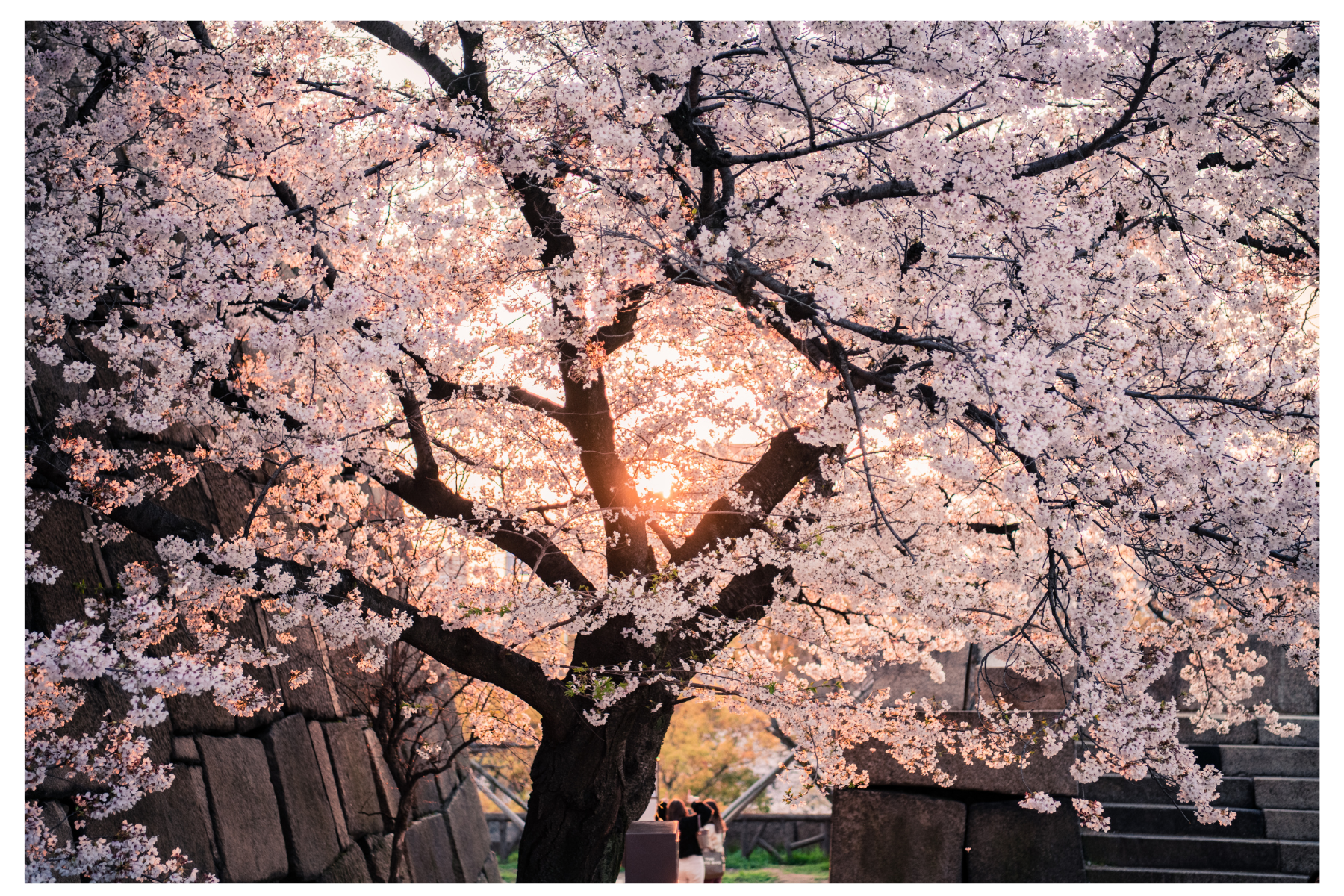
*Traditional Chinese Medicine created the term the "Second Spring" to describe this particular time in a woman's life - they view the menopause as a time for new opportunities and renewal.
This blog has been prepared by Glo's resident Naturopath and Lilfe Coach - Sara Jubb - to provide nutritional and lifestyle advice to support this stage of womens' lives. Similar advice is part of a handout accompanying Glo's Nutrition Workshop specifically on the subject of the Menopause. It's been updated by Charlotte Maxwell, co-founder and Director of Glo who provides her own personal experience of the menopause.
Whether you are menopausal, post-menopausal, perimenopausal and just a bit ‘hormonal’, the following guidelines can really help to relieve some of the symptoms.
We are revisiting the content of this blog from a personal perspective as Charlotte has navigated through her own menopausal Journey since 2022.
My Menopause Story
My menopause symptoms first properly kicked in during the pandemic. Whether it was the first vaccine (i'm not anti vaccine), or just huge stress around my business, my symptoms became quite extreme - massive insomnia (averaging about 2 hours sleep per night) night time panic attacks. Each day was a survival.
My personal approach to life has always taken an integrated view of medicine and health, and during that time i tried a combination of everything I could get my hands on! To this day, I still use chinese herbs, acupuncture, HRT (Utrogestan and Estrogel), oestrogen pessaries, supplements like Iron, Vit C, Vit B, Yoga, walking, mindfulness. And combine all of these elements to create a way of life that works best for me. Ultimately, my journey has shown me that every person is different and what works well for one woman may be completely wrong for someone else.
I still feel pretty different from before my menopause. i'm much more sensitive to stress and alcohol. But i do feel more confident and freer than before - i've heard this can be common for women who feel like they've become the person they were always meant to be.
Where relevant, my comments are featured in the below list prefaced by CM:
1. Eat breakfast, lunch and dinner every day and don’t snack between meals.
• Try not to consume any calories outside of mealtimes. So avoid milky coffees, sugary teas, soft drinks and glasses of wine, unless they are part of your breakfast, lunch or dinner. CM: My matabolism has definitely slowed down and i find intermittent fasting helpful. But very gently so I break from eating for about 14 hours over night.
2. Include protein with every meal, especially breakfast.
• Slows the release of energy from food into the bloodstream so makes you feel full for longer and helps to maintain energy levels.
• Essential for liver detoxification and so helps to balance our hormones.
• Can help to build muscle mass which is protective against osteoporosis.
• Good sources of protein are line-caught fish; organic, free-range poultry; ethically raised, grass-fed meat; organic, free-range eggs; pulses and legumes; quinoa and other whole grains, organic tofu, raw nuts, nut butters and seeds.
CM: vegetable proteins and soya proteins work best for me. Along with fish, chicken. I don't really feel the need for red meet, but i do take an iron supplement even since my bleeding stopped.
3. Increase ‘good’ fats
• Supports the liver and balance our hormones.
• Hydrates our skin from within and make it beautiful.
• Help improve memory, concentration, raise our mood and help to prevent depression and anxiety.
• As an added bonus, fat also make food taste better.
• Good sources of fat are: oily fish (salmon, mackerel, sardines, anchovies); nuts and seeds; avocados; coconut oil and coconut milk; olive oil.
• Avoid trans-fats found in margarines, commercially made biscuits and cakes and most processed foods and also avoid damaged, heated and saturated fats such as that found on burnt meats.
4. Avoid refined carbohydrates and processed foods.
• Cause a rapid rise in blood sugar levels followed by a dip in energy as insulin is secreted from the pancreas to carry glucose (sugar) into the cells to be used as energy or to be stored as fat.
• This disrupts our hormonal balance, especially at the time of menopause.
• Artificial sweeteners have a similar effect on the body’s biochemistry as sugar but are al-so toxic to the liver so should be avoided.
• Refined foods such as white flour, white rice, white pasta have been stripped of their natural outer layer which contains the essential nutrients and fibre. Try to eat foods in their ‘whole’ state such as brown rice.
• Ideally avoid any packaged foods or choose the ones with the fewest ingredients and look out for hidden sugars with names ending in ‘–ose’.
CM: anything sugary tends to feel a bit dodge. but i still do like something small and sweet in the afternoon at work. Maybe some vegan chocolate or something with a nice cup of tea.
5. Support your Liver
• Vital for maintaining hormonal balance in the body
• Reduce your exposure to environmental toxins
• Eat foods containing the compounds the liver uses to do its wonderful work.
• Eat organic foods when possible and if not, washing your vegetables with a bit of organic apple cider vinegar diluted in water can help get rid of some of the pesticide residue.
• Try not to drink too much alcohol but when you do drink, always drink loads of water be-fore and after and have a dry day on the day before and after drinking.
• Eat the foods the liver loves every day: kale, cabbage, cauliflower, broccoli, Brussels sprouts, turnips, bok choy, garlic, onions, eggs, beetroot, mushrooms
CM: my liver is definitely more sensitive and if ive been drinking the night before, my sleep can definitely be affected. small amounts are fine though.
6. Eat your Five (COLOURS) a day.
• High in antioxidants which will be anti-aging, will lessen pain and prevent chronic dis-ease.
• These include green tea, turmeric, bright coloured fruit and vegetables such as cherries, berries, beetroot, sweet potato, spinach and tomatoes.
• Aim to eat FIVE DIFFERENT COLOURS of fruit and vegetables every day
7. Increase Soluble Fibre
• Binds to toxins and excess hormones to eliminate them from the body.
• Improves insulin sensitivity in the liver.
• From apples, pears, avocados, sweet potatoes, beetroot, whole grains such as oats and brown rice, nuts and seed like walnuts, almonds, pumpkin seeds, brazil nuts and espe-cially flax seeds that you have soaked overnight
8. Eat some phytoestrogen-rich foods with every meal
• Fennel, celery, chicory, chickpeas, mung beans, cabbage, sweet potatoes, garlic and red onions, lentils, alfalfa, bean sprouts, buckwheat, rye, barley, brown rice, sesame seeds, flaxseeds, caraway seeds, sunflower seeds, green tea and herbs and spices such as dill, sage, parsley, cinnamon, nutmeg, fennel seeds.
• Eat only soya products made from organic and ideally fermented soya beans such as un-sweetened soya milk, soya yoghurt, miso, tofu, tempeh and avoid processed food made from soya in the form of textured vegetable protein or hydrolysed vegetable protein
DON’T FORGET TO FEED YOUR SOUL
Many women report that one of the symptoms of menopause is that they feel less like themselves or that emotions can be heightened – anxious, irritable, tearful, less confident, etc. It is important to acknowledge how you are feeling and not try to hide these feelings.
Some useful ways to help process your emotions include:
• Talking about how you are feeling in a safe place with loved one or friends
• Journaling – write down every evening 3 things that challenged you today, you are grate-ful for and that you are looking forward to
• Spending time everyday outside – especially in nature
• Treating yourself, your environment, other people and animals with respect. Kindness to others is one of the best antidotes to stress
• Not allowing food or stimulants to compensate for unfulfilled emotional needs
• Finding something every day to make you laugh out loud
• Not being obsessive and not letting being ‘healthy’ get in the way of your life
• Going with the flow. Try not to control everything in your life. Trust that you will be OK, because you will be.
• Only eat food and do exercise that you love!
CM: i definitely feel a comraderie with the women in my life at the same stage and so grateful for Davina McCall for bringing this discussion into the mainstream. I'm so grateful i'm now in a place where i have balance and feel like myself again. The combination of HRT, diet and lifestyle, complementary health treatments all go towards helping me to feel my best self and enjoy every day with gratitude.
And remember… IT’S NOT ALL BAD NEWS
• No more periods, no more PMS, no more hormonal headaches and no more worrying about getting pregnant
• Hello menopausal zest!! Many women report a rush of energy, both physical and psycho-logical after menopause which offers many great opportunities
• Hello greater confidence and empowerment!! Most women realise that they care a bit less about what people think of them, which gives them the courage to the live the life they really want
Glo has created a special cool down home spa package to relieve menopause symptoms. Find out more here.